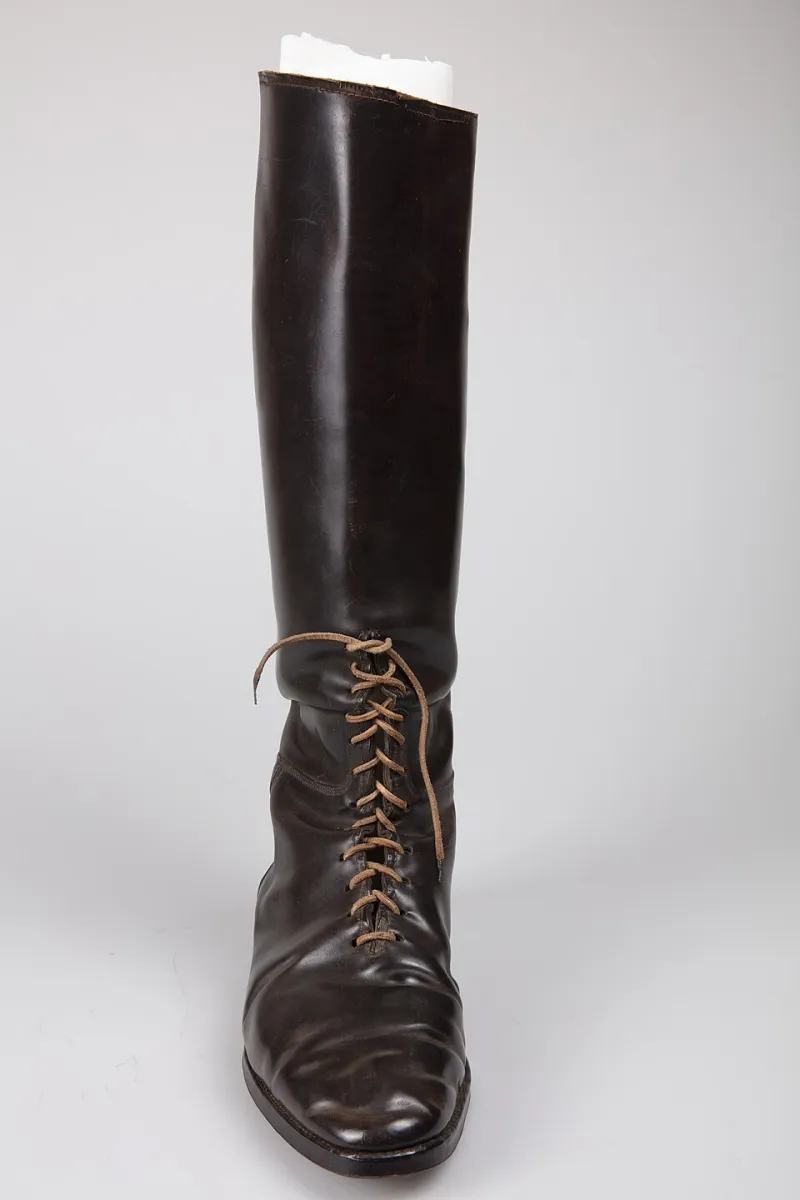
She Wore It First: The Quiet Magic of Clothes That Arrive With a Past
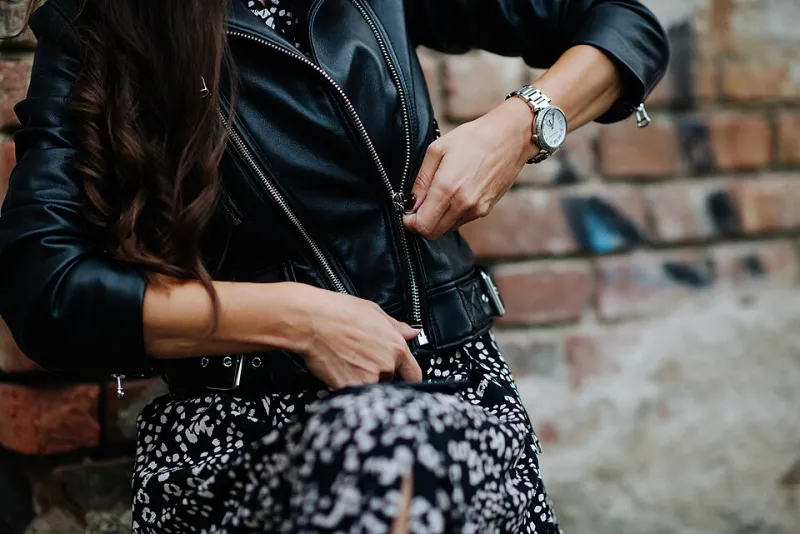
Photo: Shixart1985, CC BY 2.0, via Wikimedia Commons
There's a leather jacket hanging on the back of my closet door that I've never paid a dollar for. It belonged to a roommate I had in my mid-twenties — a woman named Dana who wore it like armor and then left it behind when she moved to Austin for a job, a breakup, and a fresh start, in that order. She texted me from the road: "Keep the jacket. It likes you."
That jacket has now outlived three boyfriends, two apartment moves, and one truly regrettable fringe phase. And I've come to believe it's the most interesting thing I own.
The Clothes That Come With Ghosts
Look closely at my closet and you'll find a small population of garments with previous lives. My mother's silk scarf, printed with faded peonies, that she wore to her first office job in 1987. A vintage midi dress I found at an estate sale in Ohio with someone else's initials hand-stitched inside the collar — M.R., tiny cross-stitches in navy thread. A chunky cardigan from my college roommate's mother that smells, faintly and permanently, of cedar.
None of these pieces were chosen for me. They arrived with opinions already attached.
And here's the strange thing: that's exactly what makes them work. When I wear new clothes, I'm performing a version of myself I'm still drafting. When I wear the jacket, I'm just... wearing the jacket. There's no negotiation. Dana already fought that battle in 2014.
Secondhand Confidence Is a Real Thing
I've thought a lot about why inherited pieces feel different, and I think it comes down to this: they've already been approved by someone with taste and a fully formed life. My mother didn't buy that scarf to be photographed in it. She bought it to walk into a meeting where she was the youngest person in the room and needed to look like she belonged.
That's the energy sewn into the seams. Not aspiration — evidence.
Fast fashion gives you a garment in its first draft. A hand-me-down gives you the final version, edited by years of actual wear. The jacket has a scar on the left elbow from a night I'll never know about, and honestly? I like the mystery more than I'd like the receipt.
How to Wear a Piece Without It Wearing You
Of course, there's a fine line between honoring a garment's history and cosplaying someone else's life. I've made mistakes — there was a full year where I wore my mother's scarf knotted exactly the way she does, which is to say, like a woman who was born in 1962 and raised three kids. It didn't work on me. I wasn't channeling her style; I was impersonating it.
Here's what I've learned about restyling inherited pieces so they feel like yours:
- Break the original styling formula. If the previous owner wore it buttoned and belted, wear it open and loose. If she wore it with heels, try it with white sneakers. One deliberate change tells your brain — and the mirror — that this is a new chapter.
- Anchor it in the present. Pair the vintage dress with current pieces: modern boots, a sleek bag, chunky gold hoops. The contrast makes the old piece read as intentional, not costumey.
- Tailor where it counts. Nothing honors a garment less than letting it hang off you like a loaner. A $30 hem or a taken-in waist transforms an heirloom into a staple.
- Keep one fingerprint of the past. Leave the initials stitched inside the collar. Keep the elbow scar. The history is the value — you're adding a chapter, not rewriting the book.
The Monogram Problem, Solved
About the initials: I spent an embarrassing amount of time wondering if wearing someone else's monogram was strange. It's not. It's the opposite of fast fashion's blankness — it's proof a garment mattered enough to be marked, kept, and passed along.
If you inherit a piece with a name inside it and you know the woman, ask her about it. My mother told me the scarf was a gift from her own mother when she got her first salaried job, and now I can't wear it without standing a little straighter. That's not a fashion tip. That's an heirloom compounding interest.
Start Your Own Hand-Me-Down Economy
The best part of this closet philosophy? You can manufacture it. Raid your mother's attic before she does her annual purge. Offer to "help" your aunts clean out their wardrobes (heavy air quotes). Hit estate sales in older neighborhoods — the dresses from the '60s and '70s in American attics put most vintage shops to shame, at a fraction of the price.
And when it's your turn to pass something along — and it will be — write a note. Tuck it in the pocket. "This dress survived my twenties. Good luck with yours."
Because that's the real argument here: clothes with a past remind you that style isn't about starting fresh every season. It's about the long story. The jacket outlived three boyfriends. The scarf is on its third generation. I plan to wear them both until it's someone else's turn.