The Autopsy Report: Why My Priciest Boots Died First
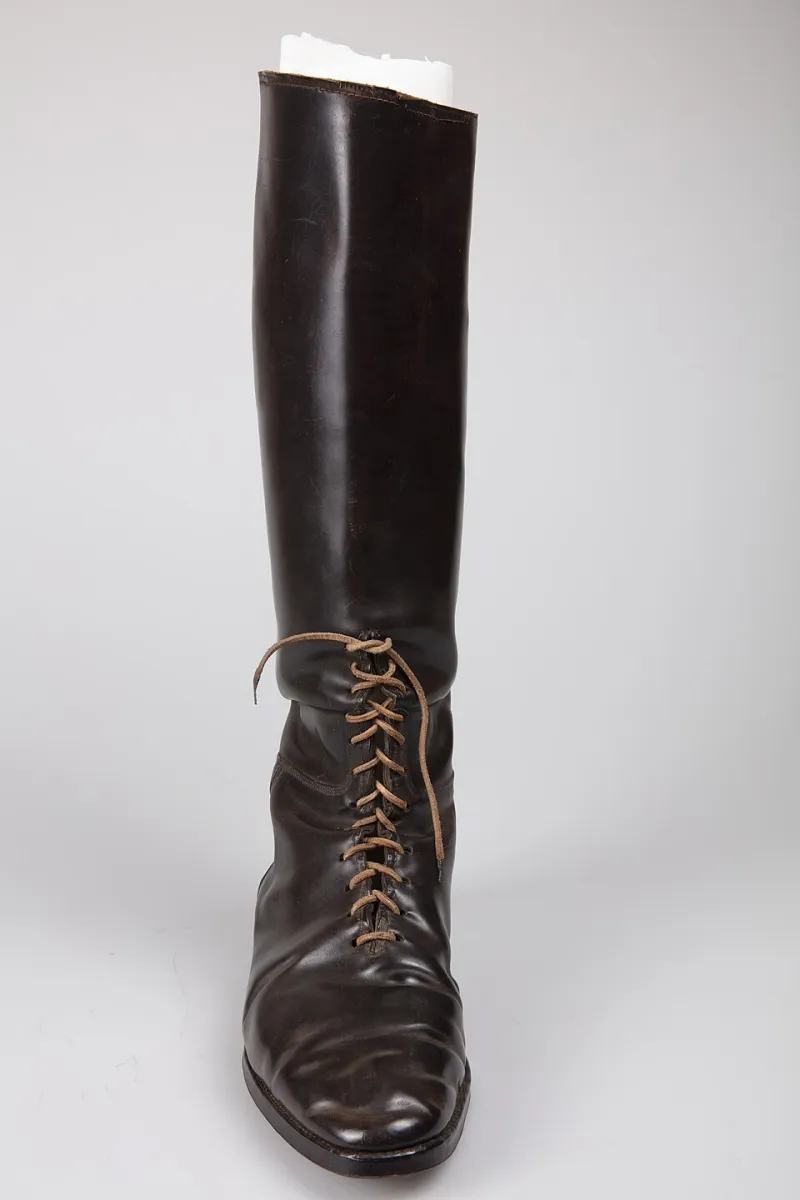
Photo: Nettleton; Goodyear Tire and Rubber Company, No restrictions, via Wikimedia Commons
I need to confess something before we start: I took photos of boot damage on my kitchen counter like a crime scene investigator. Heel caps, zipper teeth, worn-through toe boxes — all laid out under my pendant light, documented with the seriousness of a woman who just realized she spent a car payment on footwear that didn't survive longer than the $60 pair from a mid-tier department store.
Two winters ago, I started this experiment by accident. I owned boots at wildly different price points — a $425 pair of Italian leather riding boots, a $289 pair of suede ankle booties from a brand the internet told me was "an investment," and a $59 pair of lug-sole boots I bought in a hurry before a trip to Chicago. Then I bought a $95 pair of leather Chelsea boots and a $62 pair of knee-highs from a brand my sister swears by. And I wore them. All of them. Hard.
The Rules of the Road (and the Sidewalk)
To be fair to everyone involved, I tracked a few things: how many times I wore each pair, how they aged, and — the metric that ended up mattering most — whether they could be repaired. I live in a city with real winters, real salt on the sidewalks, and a serious walking habit. These weren't closet queens. Every pair earned its scuffs.
Cost Per Wear: The Great Equalizer
Let's start with the number that stung. The $425 riding boots? I wore them 31 times over two winters. That's $13.70 per wear. The $59 lug-soles? Sixty-plus wears and still going. That's under a dollar per wear, and honestly, they owe me nothing.
The $289 suede booties were the heartbreak of the bunch. Suede and salt are enemies, and nobody warned me that a single slushy February sidewalk could leave permanent tide lines. They retired after winter one.
The surprise hero: the $95 Chelsea boots. Elastic panels still snug, leather wearing in instead of out, 50-plus wears. Per wear, they're beating the designer pair by a factor of ten.
What Actually Broke
- Zippers. The knee-highs' biggest failure point on both the expensive and affordable pairs. The $62 pair's zipper gave out at month fourteen; the cobbler fixed it for $22. The repair cost me more than half the boot. Do the math on that one.
- Heel caps. Every heeled pair wore down — this is normal and fixable. Any cobbler replaces heel caps for $10–15. If your boots are dying here, they're not dying. They're just due for maintenance.
- Soles. The Italian leather boots had leather soles, which look chic and feel like walking on frozen regret in January. I had rubber half-soles added for $35. Best money I spent in this whole experiment.
- Waterproofing. The cheap lug-soles came sealed and stayed sealed. The expensive pair needed treatment from day one.
The Repairability Question
Here's what I didn't expect: price didn't predict repairability — construction did. The Chelsea boots and the lug-soles have stitched (not just glued) soles, meaning a cobbler can actually resole them. Several of my pricier pairs were, structurally speaking, disposable. Beautiful, expensive disposable things.
The riding boots are the exception. Real leather, Goodyear-style construction, and a cobbler who looked at them and said "these are worth saving." A resole and heel work ran me $80 — but they're now on track for a decade, not two seasons. When the math works, it really works.
My Honest Verdict
The splurge that earned its price: boots with stitched construction and full-grain leather you can maintain. Buy those once, repair them forever, and cost-per-wear collapses over time.
The splurge that didn't: paying for a name on boots with glued soles and a delicate finish. You're renting the brand, not buying the boot.
And the affordable winners? If they're comfortable, sealed, and stitched, wear them into the ground guilt-free. My $59 lug-soles have outlived boots that cost seven times more, and they've never once made me check the weather app with dread.
My closet now has a new rule: no boot gets bought on brand loyalty alone. It gets bought on construction, or it doesn't come home. My kitchen counter forensics unit is standing by.