Fifty Bucks and a Full Tank: My Honest Guide to Thrifting America's Vintage Towns

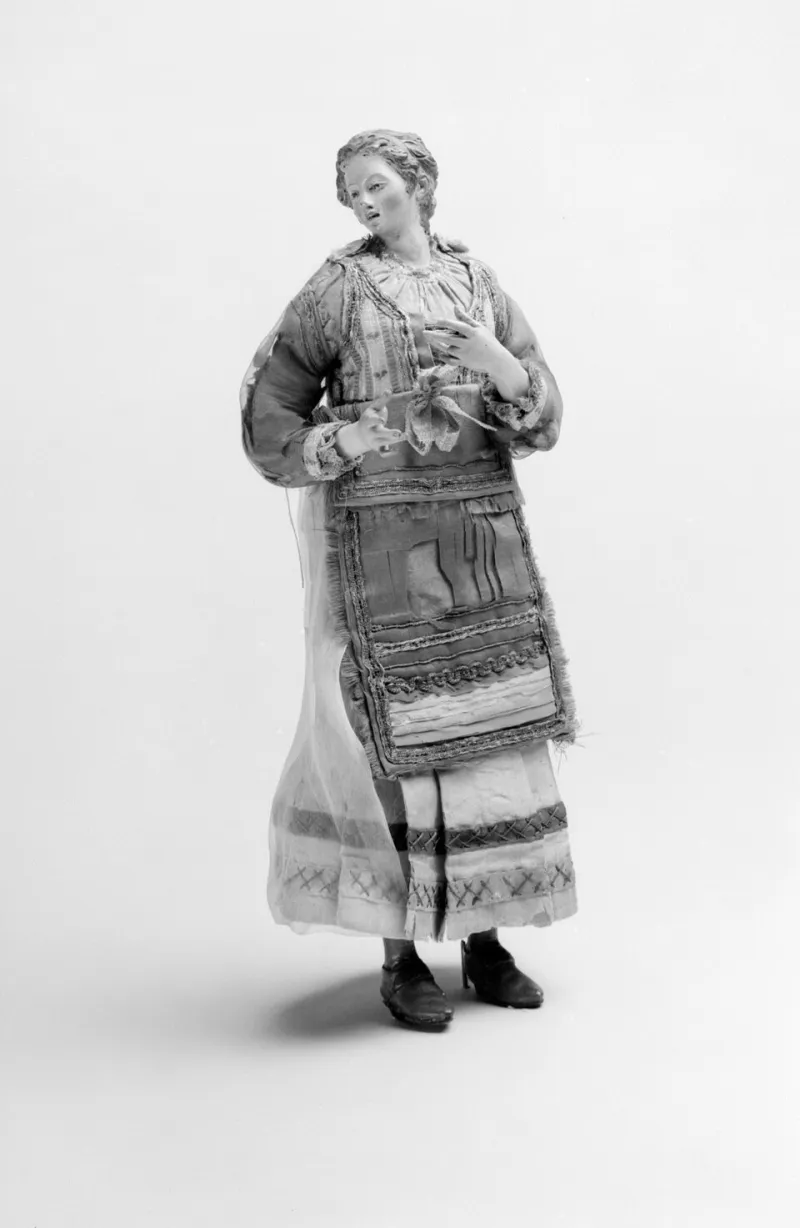
Photo: Auctor quaerendae, CC BY-SA 4.0, via Wikimedia Commons
There's a particular thrill in paying eleven dollars for a silk blouse that retailed for more than my rent. I chased that feeling across four states this spring, armed with a rolling carry-on, a roll of quarters, and one non-negotiable rule: fifty dollars a day, cash only, no exceptions.
What I learned is that thrifting on a strict budget isn't about luck. It's about routing, timing, and knowing when to walk away from a very convincing $48 blazer.
The Route: Four Towns, Four Very Different Hunts
Nashville, Tennessee. The flea market scene here is loud, crowded, and gloriously chaotic. Go early — I mean gates-open early — because the vendors who sell true vintage (not drop-shipped tees) pack up by noon. My score: a buttery leather belt and a 1970s prairie blouse, both under $25 combined.
Fredericksburg, Texas. Hill Country estate sales are the South's worst-kept secret. These aren't thrift stores; they're someone's whole life, priced to move on the final day. Show up Sunday afternoon when everything's half off. A beaded cardigan and a tooled clutch came home with me for $19 total.
Asheville, North Carolina. Curated vintage shops with actual price tags — which means higher prices, but less digging. I treat Asheville as my 'quality control' stop. One perfect wool coat for $45, and yes, I skipped lunch.
Lancaster County, Pennsylvania. Amish country auction culture produces some of the cleanest, best-maintained secondhand linens and handbags I've ever seen. Bring cash. Bring patience. Bring a tote bag.
The $50 Strategy, Decoded
My system is simple: $30 for one hero piece, $15 for two smalls, $5 held in reserve. The reserve exists because the best find of the day is almost always the one you meet on your way back to the car.
A few rules that kept me honest:
- Touch fabric before price. If it's not silk, wool, or real leather, it's usually not worth the luggage space.
- Check the seams, not the brand. Labels can lie; stitching can't.
- Set a timer. Two hours per stop, max. Decision fatigue is how you end up with a $50 lamp you can't fly home with.
What's Actually Worth Hauling Home
After shipping myself (and one regrettable ceramic vase) across the country, here's my verdict on carry-on-worthy vintage:
Buy: silk scarves (they weigh nothing), leather belts and bags, blazers and wool coats, jewelry, cashmere anything.
Skip: boots (sizing roulette), hats (they never survive the overhead bin), anything with a stain you're 'pretty sure' will come out. It won't.
The blouse from Nashville has already been worn to a work presentation and two brunches. The Texas clutch comes out every time I want an outfit to feel like a story. That's the real return on fifty dollars — not the discount, but the provenance.
So fill the tank, empty a frame in your closet, and go. Somewhere between a Tennessee flea market and a Texas driveway full of someone's grandmother's wardrobe, you'll find the piece no algorithm could ever have recommended.