I Did the Math on My Closet and It Exposed Everything
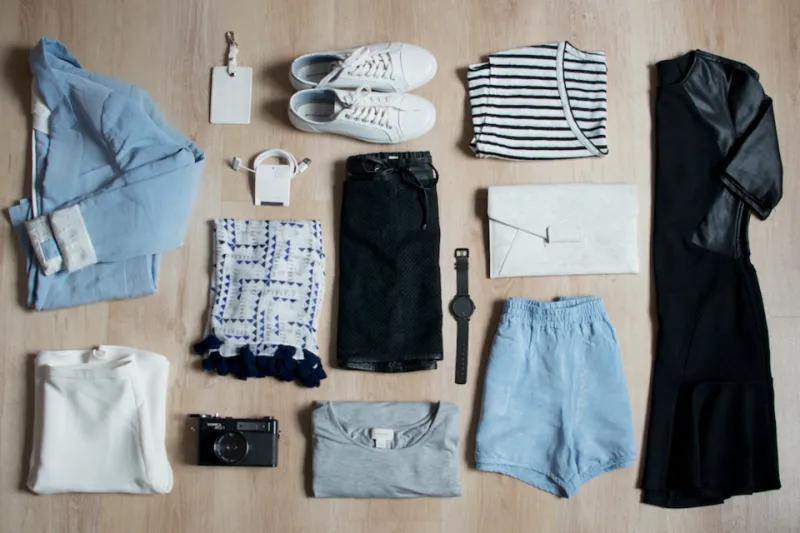
Photo: Geneva Vanderzeil apairandasparediy.com, CC BY 2.0, via Wikimedia Commons
There's a dress hanging in my closet that cost $34 at a little shop in Savannah. I bought it on a whim before a weekend trip, and it has since come with me to Charleston, two weddings, a work conference in Denver, and approximately one hundred Tuesday office days. I pulled up my photos app recently and counted: forty-plus wears. That dress now costs me less than 85 cents every time I put it on.
Then there's the $200 blazer. Bought during a moment of ambition, worn twice, tags-adjacent to this day. That blazer costs me $100 per wear — more than a nice dinner out, every time I've deigned to wear it.
Once I saw those two numbers side by side, I couldn't unsee them. And honestly? It changed everything about how I shop.
What Dollar-Per-Wear Actually Is
The concept is embarrassingly simple: take the price of an item and divide it by a realistic estimate of how many times you'll wear it. That number — the true cost — is what you're actually paying.
A $300 coat worn 150 times over three winters costs you $2 per wear. A $40 top worn once for a photoshoot costs you $40. The expensive thing is cheap. The cheap thing is expensive. The sticker price tells you almost nothing.
This matters even more when you travel, which is where my head's been lately. Packing is the ultimate audit. When I'm fitting a week into a carry-on, only the pieces that earn their keep come along — and funny enough, that's exactly the same test your closet runs on a daily basis. You're just not usually watching it happen.
How I Estimate Wears (Without Lying to Myself)
The whole system falls apart if you're dishonest about the denominator. We've all done the "I'll wear this all the time" lie in a fitting room. So here's my reality-check process:
1. Name three specific occasions. Not "weekends" — that's a trap. Actual scenarios: "Saturday farmers market," "the client dinner in October," "my sister's birthday brunch." If I can't name three real ones, that's data.
2. Check it against my actual life. I work from home two days a week. My closet skews casual whether I like it or not. A silk midi skirt is lovely; my life is leggings and a nice sweater. The estimate has to match the life I live, not the life I'm auditioning for.
3. Apply the 10-wear minimum. If I can't confidently picture wearing something at least ten times, it needs a really good reason to exist — or it doesn't come home with me.
The Formula I Run Before Checkout
I keep a note on my phone and literally do this in the store. It takes thirty seconds:
Price ÷ realistic wears = true cost per wear
Then ask: Would I pay this much, per wear, as a rental fee?
That reframe is the whole trick. Because sometimes the answer is yes! I'd happily pay $15 to rent a gorgeous dress for a black-tie wedding. What I won't do is pay $15 per wear for a top I'll forget I own.
A few real results from my recent purchases:
- $88 jeans, worn ~90 times so far: $0.98 per wear and falling. Best deal in my closet.
- $120 boots, two full winters: roughly $0.40 per wear. No notes.
- $26 trend top, worn three times: $8.67 per wear. A lesson I apparently needed to relearn.
Where the Rule Fails (Because Everything Has Fine Print)
Two honest caveats. First, cost per wear is terrible for one-time events — wedding guest dresses, Halloween, the bridesmaid situation. For those, I either rent, borrow, or set a hard spending cap and accept the cost upfront.
Second, it can warp you toward boring. If you only buy things with maximum projected wears, you end up with a closet of very sensible gray things. I've made peace with a small "joy budget": a fixed amount per season for pieces that make me stupidly happy, math be damned. Sometimes the $30 sparkly thing is worth it precisely because it won't be practical. I just have to know that going in.
The Verdict
The dollar-per-wear rule didn't make me stop shopping — it made me stop shopping badly. My closet is smaller, more expensive-looking (ironically, often cheaper), and everything in it has a job. And that $34 dress? It's coming on the next trip. It's earned a window seat.